The Power of Silence: Understanding Nonverbal Communication
Communication is not just about what we say. Discover how understanding facial expressions, body language, and other nonverbal signals helps children connect more effectively with others.
Shane Mac Donnchaidh
1/25/20262 min read
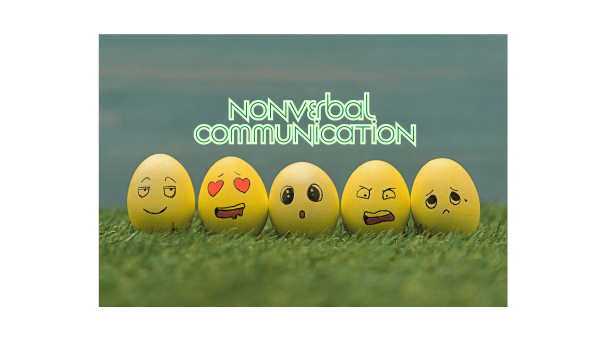
Much of human communication happens without words.
Facial expressions, posture, gestures, eye contact, and even silence often communicate more than speech ever could. Children who learn to recognise and use these nonverbal cues are better equipped to understand others, express emotions clearly, and navigate social situations with confidence.
Nonverbal communication is not intuitive for all children. Like writing or reading, it benefits from explicit teaching, guided practice, and reflection.
Below are ten key aspects of nonverbal communication that shape everyday interactions and help children become more effective, empathetic communicators.
1. Facial Expressions
Facial expressions are often the first signals we notice in an interaction. They convey emotion quickly and powerfully.
Teaching children to recognise expressions such as happiness, frustration, fear, or confusion helps them interpret how others are feeling and respond appropriately. Practising how expressions change meaning builds emotional awareness and empathy.
2. Gestures
Gestures are deliberate movements such as pointing, waving, or nodding. They often reinforce spoken language, but their meanings can vary across contexts and cultures.
Helping children become aware of gestures encourages them to notice how movement supports communication and why sensitivity to context matters.
3. Tone, Volume, and Pace
How something is said can change its meaning entirely.
Tone of voice, loudness, and speaking speed all influence how messages are received. Teaching children to experiment with these elements helps them understand that communication is not just about words, but about delivery.
This awareness strengthens both speaking and listening skills.
4. Body Language and Posture
Body position often signals confidence, openness, uncertainty, or discomfort.
Children benefit from learning how posture and movement influence how they are perceived by others. Developing awareness of body language helps them communicate intention more clearly and read social situations more accurately.
5. Personal Space
The physical distance between people communicates comfort, familiarity, and boundaries.
Understanding personal space helps children avoid social misunderstandings and develop respect for others’ comfort levels. This skill is especially important in group settings, classrooms, and unfamiliar social environments.
6. Eye Contact
Eye contact often signals attention, interest, or respect. However, expectations around eye contact can vary widely between individuals and cultures.
Teaching children when eye contact is helpful, and when it may not be required, supports confident communication without pressure or discomfort.
7. Touch
Touch can communicate reassurance, encouragement, or boundaries, depending on context.
Children benefit from clear guidance about appropriate and inappropriate touch, helping them understand consent, social norms, and personal boundaries in a calm, respectful way.
8. Appearance
Clothing, grooming, and presentation send messages about identity, mood, and intent.
Helping children understand how appearance affects perception builds social awareness and prepares them for different settings, from formal events to everyday interactions.
9. Time and Timing
How people use time also communicates meaning.
Punctuality, waiting, and responsiveness all signal respect, reliability, and awareness of others. Teaching children to manage time thoughtfully supports both social and academic success.
10. Sensory Cues
Smell and other sensory signals can subtly influence mood and perception, even when unnoticed.
While often overlooked, discussing how environments and sensory experiences affect communication helps children develop deeper awareness of how people respond to their surroundings.
Cultural Awareness and Context
Nonverbal communication is shaped by culture, environment, and experience. A gesture that feels friendly in one context may carry a different meaning in another.
Teaching children to observe carefully, ask questions, and remain open-minded encourages respectful communication and adaptability.
Why Nonverbal Communication Matters
Children who understand nonverbal communication:
Interpret social situations more accurately
Express emotions more clearly
Show greater empathy and self-awareness
These skills support relationships, learning, and confidence across all areas of life.
When nonverbal communication is taught intentionally, children gain a powerful tool for connection that lasts well beyond the classroom.